


Why Hardwood Floor Recoating Is Essential for Maintaining Beautiful Floors

Hardwood floors bring unparalleled warmth, elegance, and measurable value to any home. However, daily foot traffic, shifting furniture, and routine wear can gradually dull their original luster. Fortunately, a complete structural refinishing is not always necessary; hardwood floor recoating offers a highly effective, proactive alternative to restore aesthetic appeal and reinforce protection.
Through the recoating process, a fresh, durable protective layer is applied directly over the existing surface. This treatment shields the underlying stain, extends the operational lifespan of the wood, and ensures the flooring retains a flawless, high-end appearance. Investing in routine maintenance effectively mitigates long-term wear and avoids the extensive costs and timelines associated with full-scale restoration.
In this article, we explore how professional hardwood floor recoating preserves the beauty and structural integrity of your floors for years to come.
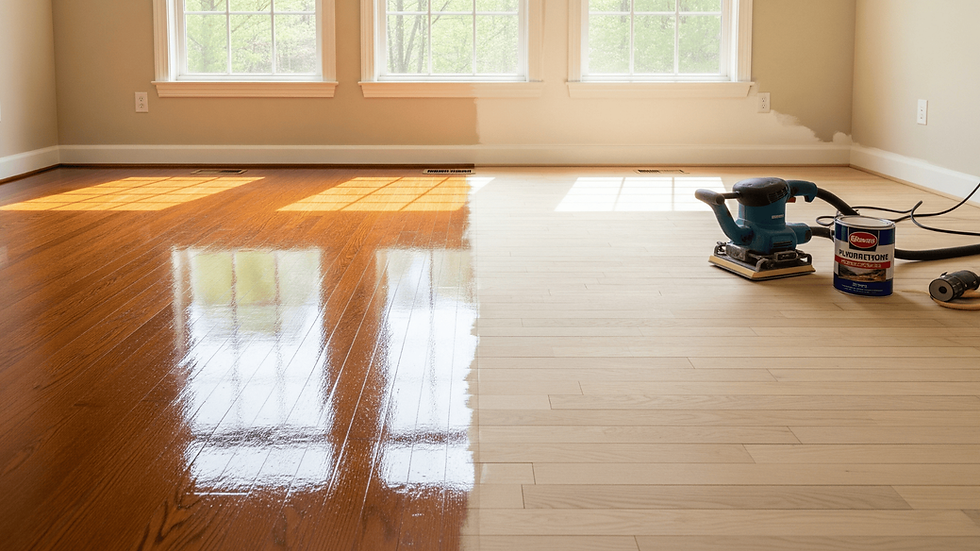
Preserves the Appearance and Shine of Hardwood Floors
Keep your floors looking polished and kind of attractive for a long while.
● Recoating Brings Back The Floor's Natural Luster
When you recoat, it adds a fresh surface finish that helps revive the shine of hardwood floors, so everything seems cleaner and more vibrant too.
● Helps The Overall Appearance Really Stand Out
A newly recoated floor gives a more polished look that matches the charm of almost any interior space, not just one style.
● Makes Small Surface Issues Less Obvious
With recoating, those faint scuffs and dull patches fade back, so the floors stay looking more well-kept, and in the process, it may even hold off bigger jobs that tend to make hardwood refinishing cost climb.
Protects Floors from Everyday Wear and Tear
Building a tough shield against that daily wear and tear, hardwood floor recoating adds a protective layer, which helps preserve the look and durability of your floors even with everyday use.
● Little Extra Layer Of Defense
The new coating helps protect hardwood floors against scratches, scuffs, and those minor abrasions that happen with regular use.
● Works To Slow Down Moisture And Spills
A protective finish can reduce the chance of water damage and staining if spills are wiped up quickly.
● Less Wear From Foot Traffic
In busy areas, that extra durability helps keep floors looking better for longer, even with constant foot traffic, while reducing concerns about rising hardwood floor restoration costs by preventing excessive wear and damage.
Extends the Lifespan of Hardwood Flooring
Keeping the real strength and endurance of what you bought is basically the whole point.
● Helps Stop Early Deterioration
With recoating, the wood surface gets that extra layer of protection before wear reaches the deeper areas, which usually leads to longer-term problems.
● Postpones The Need For A Full Refinishing Later
By doing routine maintenance through recoating, homeowners can often dodge those big, more costly restoration jobs.
● Helps Preserve Structural Integrity
When the finish is kept intact, the wood stays protected from environmental factors that can slowly trigger deterioration. In a lot of cases, a professional wood floor recoating service is what helps keep that protective layer in place, so you get long-lasting durability, and also that nice look people notice
Improves Indoor Cleanliness And Daily Upkeep
By making hardwood floors easier to look after, hardwood floor recoating gives you a resilient surface that supports quicker routine cleaning while still preserving the floor's appearance. It is a simple approach, and it keeps things steadier over time.
● Gives You A Smoother Surface For Cleaning.
Dust, dirt, and debris seem a bit easier to get rid of on a properly re-coated floor.
● Cuts Down The Buildup Of Contaminants.
With a sealed surface, particles are less likely to settle into worn spots or those fine scratches over time.
● Makes Everyday Maintenance Simpler.
With a fresh protective coat, floors usually need less work to stay looking clean and attractive, and when combined with regular hardwood refinishing, they can maintain their beauty and durability for years to come.
Wrapping Up
Hardwood floor recoating is a key step for keeping the floors looking great and long-lasting. It kind of helps preserve the shine, guards against everyday scuffs and tears, stretches the lifespan of your flooring, and makes maintenance a lot simpler. Recoating also tends to help homeowners safeguard one of the most valuable features in a home, not just in looks but also by keeping the protective layer doing its job. If you get regular recoating done, it can improve the look of hardwood floors while also cutting down on the chance you will face pricey repairs or full refinishing later.
Kitsap Wood Flooring provides professional hardwood floor recoating services that are built around preserving the beauty, luster, and strength of your floors, so homeowners can keep having hardwood surfaces that look attractive and stay well-protected. There’s also a steady commitment to solid craftsmanship and long-term results. We help restore the protective finish on hardwood floors, boosting their appearance while also extending their life and value.
FAQs
What Is Hardwood Floor Recoating?
Hardwood floor recoating is when you put on a fresh protective finish over an existing floor layer to bring back some of that shine and protection without having to sand all the way down to the wood.
How Often Should Hardwood Floors Be Recoated?
Most hardwood floors usually need recoating about every 3 to 5 years, but it really depends on how much foot traffic there is and how much the surface is already showing wear.
Is Recoating Different From Refinishing?
Yeah, they are not the same. Recoating adds another finish layer on top, while refinishing means sanding the floor down until it is basically bare wood, then applying a new finish after that.
Can Recoating Fix Deep Scratches And Stains?
Recoating is more for upkeep and for handling light, surface-level scuffs and dull areas. If you have got deep scratches, gouges, or stubborn stains, then you might need refinishing, or maybe separate repair work first.

Comments