


What Steps Are Involved in Recoating a Hardwood Floor?

Updated: Dec 22, 2025
Over time, wooden floors develop a beautiful character, but daily wear and tear gradually dims their natural luster. Little scratches become visible, and the protective barrier gets thinner with every step. Most homeowners wonder if expensive new flooring is the only option, but there is a smarter way to restore that "just-installed" glow.
At Kitsap Wood Flooring, we often guide clients toward hardwood floor recoating—a process that rejuvenates your space without the mess and intensity of deep sanding. Whether you've been searching for hardwood refinishing near me or need specialized bamboo floor refinishing near me, understanding the recoating process is the first step toward preserving your home’s value.
In this guide, we’ll walk through each professional step, showing you how we resuscitate your floors while safeguarding the precious wood underneath.

Understanding Floor Recoating
Recoating refreshes the protective finish on wood floors. It does not remove deep layers of wood. This method works best when floors show surface wear but remain structurally sound. The process has been used for years and continues to evolve with better finishes and tools.
Unlike full refinishing, recoating saves time. It also creates less dust. Many clients searching for hardwood refinishing near me discover recoating as a simpler solution for mild wear.
Step 1. Initial Floor Inspection
Every professional project starts with an evaluation. The floor is checked for deep scratches, stains, or exposed wood. If bare wood shows, recoating may not suit the floor.
Moisture levels are tested. Previous finishes are identified. These checks help avoid bonding issues later. A careful evaluation has eliminated potential failures and ensures that the protective coating will properly bond with the surface.
Step 2. Cleaning the Surface
Dirt blocks adhesion. Oils and residues hide in corners. Floors are thoroughly cleaned using specialized solutions. Old wax is removed. Grime is lifted from seams.
This step prepares the surface. Without it, even premium coatings may peel. Cleaning has always been one of the most critical stages.
Step 3. Surface Abrasion
Light abrasion creates a texture for the new finish to bond. A floor buffer with a fine screen is often used. The goal is not sanding but scuffing.
Edges and corners receive extra care. This step is controlled and gentle. It has been proven to increase durability. Many floors that failed were not properly abraded.
Step 4. Dust Removal and Final Prep
After abrasion, dust is vacuumed. Tack cloths may be used. Air is kept clean. Even tiny particles can affect the final look.
This stage is quick but vital. Professionals move carefully to keep the surface pristine. Clean prep ensures a smooth, even coat.
Step 5. Choosing the Right Finish
Not all finishes are equal. Alternatives based on water dry quickly and remain transparent. Oil-based treatments enhance the color and take a long time to dry completely. The decision depends on the living style and the wood species.
Sometimes, customers searching for bamboo floor refinishing near me ask if the same applies to bamboo when it comes to recoating. In many cases, compatible finishes can be used after proper testing.
Step 6. Applying the New Coat
The finish is applied evenly using rollers or applicator pads. Work moves with the grain. Overlaps are avoided. This step demands skill and timing.
The coat is laid thin and consistent. Too thick causes bubbles. Being too thin reduces protection. Professionals balance technique with experience.
Step 7. Drying and Curing Time
Drying begins immediately. Foot traffic is restricted. Fans may assist airflow. Humidity is monitored.
Curing takes longer than drying. Floors may feel dry within hours, yet full hardness develops over days. This patience protects the investment.
Step 8. Optional Second Coat
Some floors benefit from an extra layer. This adds durability. Light abrasion may occur between coats.
This decision is made based on wear level. When added, the second coat extends floor life and enhances sheen.
Benefits of Professional Recoating
Recoating saves money. It preserves the original wood. It reduces downtime. Floors look renewed without a drastic change.
The process has been trusted for decades. When done correctly, it extends floor life and delays full refinishing. Many property owners now choose this method as a smart maintenance step.
Common Mistakes You Have to Avoid
Skipping inspection leads to failure. Poor cleaning causes peeling. Rushing the cure time creates marks.
DIY attempts often miss these details. Professional work avoids costly redos and ensures lasting results.
Why Timing Matters?
Recoating works best before damage reaches the wood. Waiting too long limits options. Regular maintenance keeps floors healthy.
Scheduling early has saved many floors from full sanding. That's how timing remains a key factor in success.
Conclusion: The Smart Path to Lasting Floor Elegance
Wooden floors are an investment that requires treatment in keeping with their unique history and construction. Hardwood floor recoating is more than just a quick fix; with the right steps, tools, and timing, it restores luster while effectively keeping the material alive for decades. By opting for this maintenance step early, you avoid the cost and downtime of a full sand-and-stain project.
Kitsap Wood Flooring uses methods that have proven their worth in protecting floors for today and the future. Understanding this process empowers you to make better decisions and keeps your living spaces looking refined for years to come.
Ready to Protect and Refresh Your Floors?
Why wait for deep damage to take hold? Connect with Kitsap Wood Flooring today to talk to an expert who will handle the entire process from inspection to final finish.
Call 360-930-1118 to schedule your consultation and discover the best options for your hardwood floors.
Is recoating the same as hardwood refinishing near me services?
Recoating is different from full refinishing. Refinishing removes wood layers, while recoating refreshes the top finish only. It deals with surface wear on floors with no major damage, thus providing a faster and less invasive option.
Can the floors of bamboo be refreshed like hardwood floors?
The refreshing of many bamboo floors is possible these days. Their construction and finishing will, of course, determine the specific type of refreshing procedure used. Generally, when individuals look for bamboo floor refinishing near me, experts perform a compatibility test first to make sure that the new coating adheres properly.
How often should floors be recoated?
Recoating frequency depends on traffic and maintenance. High-use areas may need it every few years. Light-use spaces last longer. Regular cleaning and early recoating help avoid full refinishing later.
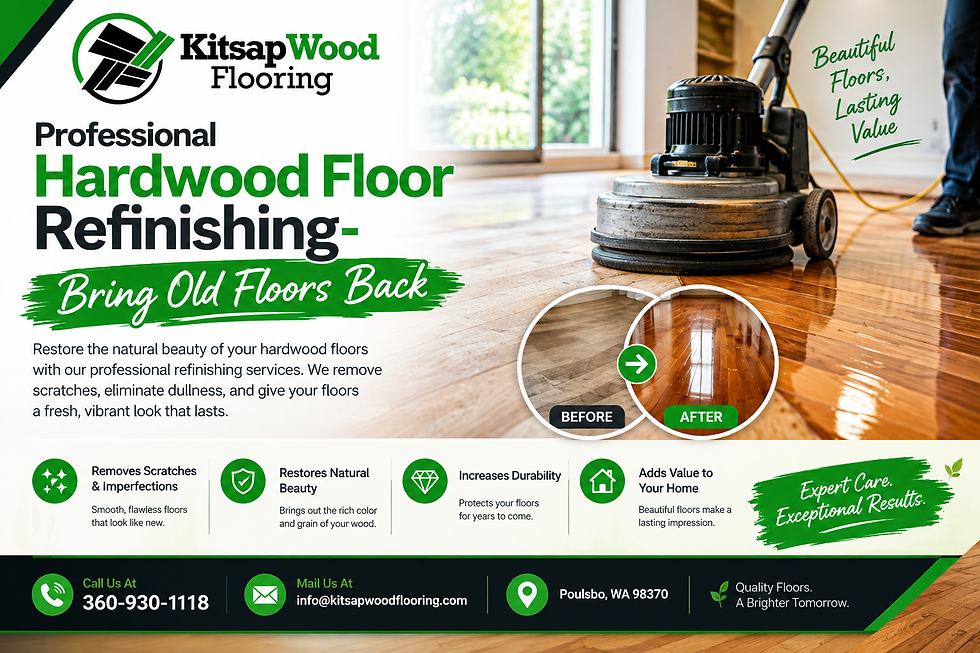


Proper care is essential to preserving the value of any hardwood floor installation. Recoating and maintenance restore beauty while extending the life of your floors, avoiding costly full refinishes down the line. Expert installation combined with timely upkeep ensures your hardwood remains a stunning, long-lasting feature of your home.