


How Wood Floor Sanding and Refinishing Improves Your Home


It usually happens on a quiet day. Sunlight hits the floor just right, and suddenly those scratches, dull patches, and faded areas stand out more than they should. You start wondering… when did it start looking like this?
That’s when wood floor sanding and refinishing becomes more than just a home upgrade idea. It feels like something your space genuinely needs. Not to make things fancy, but to bring back what was already there.
Why Wood Floor Sanding and Refinishing Makes A Big Difference
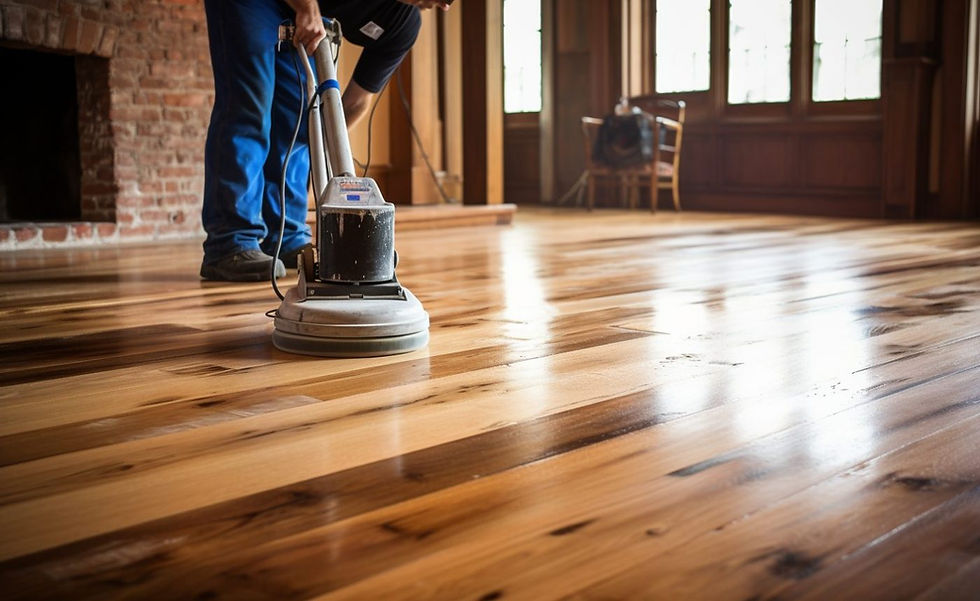
Floors take a beating. Daily foot traffic and spills—it all adds up over time. With wood floor sanding and refinishing, the worn-out top layer gets removed, revealing fresh wood underneath. Then comes a new finish that protects and enhances the look.
It’s not just repair work. It’s restoration. And once it’s done, your entire room feels different. Cleaner. Brighter. Almost new again.
Understanding Hardwood Refinishing Cost Before You Start
Cost is usually the first question that comes to mind. The hardwood refinishing cost depends on several factors—floor condition, size of the area, and the type of finish you choose. Heavily damaged floors may need more sanding, which can slightly increase the price.
But here’s something people often realize later: refinishing is far more affordable than replacing the entire floor. So instead of starting over, you’re improving what you already have.
Wood Floor Sanding And Refinishing Restores Natural Beauty
Over time, even the best wood loses its shine. Scratches dull the surface. Sunlight fades the color. And regular cleaning can only do so much.
That’s where wood floor sanding and refinishing works its magic. It brings back the original grain, texture, and tone of the wood. You start noticing details you hadn’t seen in years. And somehow, the room feels warmer again.
When Hardwood Floor Recoating Is Enough
Not every floor needs full sanding. Sometimes, the damage is only on the surface. Light scratches, minor dullness—nothing too deep. In such cases, hardwood floor recoating can be a good option. It adds a fresh protective layer without sanding everything down.
It’s quicker, less intensive, and works well when your floors are still in decent shape. But knowing the difference matters. Choosing recoating when deeper repair is needed won’t give you the results you expect.
Breaking Down Hardwood Floor Restoration Cost
If your floors have deeper issues—stains, warping, or heavy wear—restoration might be required. The hardwood floor restoration cost can vary more than basic refinishing because it may involve repairs before the sanding process even begins.
Still, it’s often worth it. Instead of replacing sections or installing new flooring, restoration gives your existing floor a second life. And when done right, it lasts for years.
Wood Floor Sanding And Refinishing Improves Durability
It’s easy to focus only on how floors look. But durability matters just as much. With wood floor sanding and refinishing, you’re adding a protective finish that helps resist future damage. Scratches become less likely, spills are easier to clean, and daily wear doesn’t show as quickly. So it’s not just about appearance—it’s about making your floors last longer.
Choosing The Right Professionals Matters
This isn’t a quick DIY job. Sanding requires precision. Too much pressure can damage the wood. Too little won’t remove imperfections properly.
That’s why professional wood floor sanding and refinishing services make a difference. Experienced teams use the right equipment, apply even finishes, and ensure the final result looks smooth and consistent. You don’t want uneven patches or visible marks after all that effort.
Small Changes That Make A Big Impact
It’s interesting how much floors influence your home. You might repaint walls or change furniture, but if the flooring looks worn out, something still feels off.
After wood floor sanding and refinishing, everything else seems to fall into place. Your furniture stands out better. Lighting feels warmer. Even the space feels more inviting. It’s a subtle transformation, but you notice it every day.
Conclusion: Bringing Your Floors Back To Life
Floors are easy to overlook until they start showing signs of wear. And once they do, it’s hard to ignore them.
With wood floor sanding and refinishing, you’re not just fixing damage—you’re restoring the character of your home. Whether you’re considering the hardwood refinishing cost, exploring hardwood floor recoating, or evaluating the hardwood floor restoration cost, the goal remains the same: long-lasting, beautiful floors.
At Kitsap Wood Flooring, the focus stays on quality work, careful attention, and results that truly last. And in the end, your floors don’t just look better—they feel right again.
Restore Your Floors With Expert Help
Ready to bring your floors back to life? Contact Kitsap Wood Flooring at 360-930-1118 to schedule your consultation and get a clear estimate tailored to your space and flooring needs.
FAQs
1. How long does wood floor sanding and refinishing take?
The time required for wood floor sanding and refinishing depends on the size and condition of your floors. Most projects take a few days, including drying time, ensuring a smooth and durable finish that lasts.
2. Is refinishing better than replacing hardwood floors?
In most cases, wood floor sanding and refinishing is more cost-effective than replacement. It restores the existing wood, improves appearance, and extends lifespan without the higher expense and disruption of installing new flooring.
3. How do you know if your floor needs recoating or refinishing?
If the damage is minor, hardwood floor recoating may be enough. However, deeper scratches or discoloration usually require wood floor sanding and refinishing to properly restore the surface and achieve long-lasting results.


Comments